Website, mobile app and business platform development
Build a responsive website, a mobile application or a custom business and booking platform around the people who use it. We clarify workflows, integrations and maintenance before choosing the technology.
A website can look modern while remaining slow, difficult to update, unclear to visitors or invisible to search engines and assistive technology.
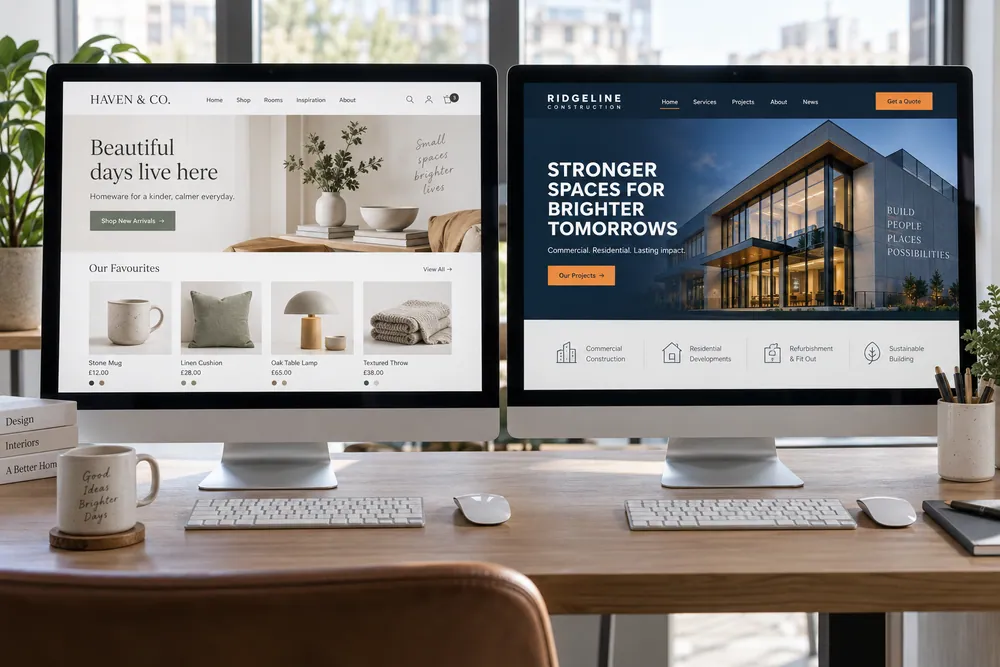
Websites
Build a credible, accessible and responsive website that makes the organisation easier to understand and contact.
Website strategy and information architecture
Responsive experience and interface design
Accessible front-end development
Content and search-visibility foundations
Forms, analytics readiness and maintainable handover
We connect information architecture, bilingual-ready content, accessible design, performance engineering and clear conversion paths from the start.
Explore WebsitesShow photo
The Claritas approach
We connect information architecture, bilingual-ready content, accessible design, performance engineering and clear conversion paths from the start.
Mobile projects become expensive when the target workflow, offline needs, device constraints and ongoing ownership are not clear before feature development begins.
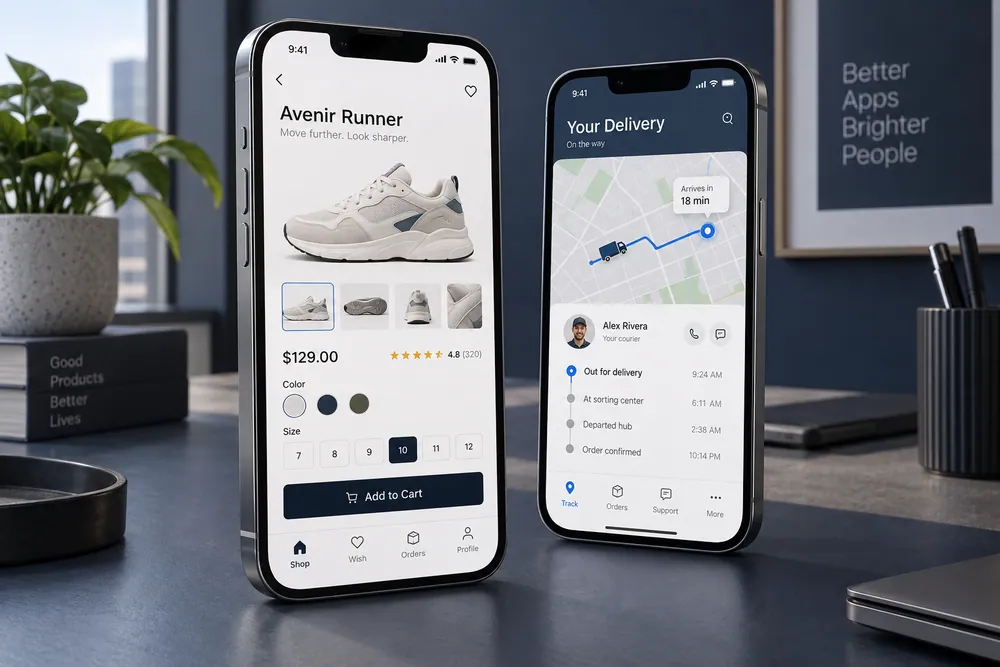
Mobile Applications
Design mobile experiences around a validated customer, workforce or field-service need.
Product discovery and mobile journey design
Cross-platform or platform-specific implementation planning
Secure API and backend integration
Offline, notification and device-feature workflows
Testing, release-readiness and support planning
We validate the use case, map the smallest valuable journey, choose a suitable platform approach and build testable releases with backend and support needs visible.
Explore Mobile ApplicationsShow photo
The Claritas approach
We validate the use case, map the smallest valuable journey, choose a suitable platform approach and build testable releases with backend and support needs visible.
Manual hand-offs and poorly matched software can hide status, duplicate work and make customer or staff experiences inconsistent.
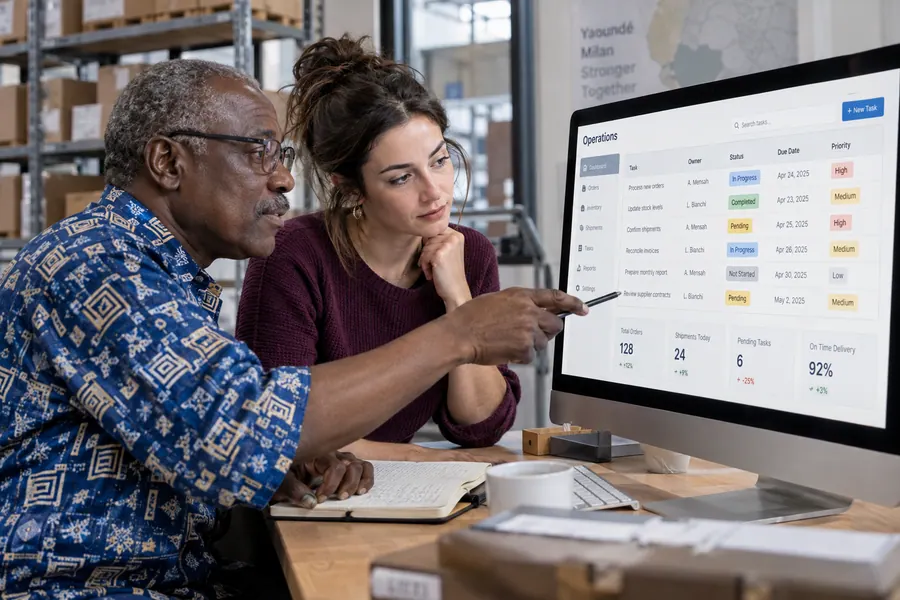
Business Platforms
Create a focused portal, booking system or workflow platform where generic tools no longer fit the operation.
Workflow and domain modelling
Booking, scheduling and availability systems
Customer, staff and partner portals
Role-based access and approval flows
API integration, reporting and operational documentation
We map roles, rules, states and exceptions before designing a modular platform with clear integrations, permissions and operational ownership.
Explore Business PlatformsShow photo
The Claritas approach
We map roles, rules, states and exceptions before designing a modular platform with clear integrations, permissions and operational ownership.
Who it helps
SMEs establishing or improving a credible digital presence
Startups preparing a product or market launch
Organisations that need multilingual content architecture
Teams replacing a slow or difficult-to-maintain site
Intended outcomes
Clearer service and contact journeys
A validated mobile scope and release path
A shared view of workflow status and ownership
Scope, prerequisites and handover
Before work starts, we agree the users, authorised access, deliverables, budget and acceptance criteria. Documentation, user handover and support are defined in the proposed scope; licences, equipment and third-party fees are identified separately.
From Limbe, we support SMEs, startups and teams in Cameroon and assess remote engagements for international clients, including the United States. On-site work depends on location and prior agreement; an overseas office or local installation service is not implied.
How we work together
1 / 4 · Discover
01
Discover
Clarify the need and constraints.
02
Design
Agree scope and architecture.
03
Deliver
Build, test and review together.
04
Enable
Train users and plan the next steps.
Common questions
Will the website work on mobile devices?
Yes. Layout, navigation, content and forms are designed and tested from small screens upward.
Can the website support multiple languages?
Yes. We can implement separate locale routes, language-aware metadata and a content structure that avoids mixed-language pages.
Can we update the content ourselves?
The right editing approach is agreed during discovery. It may use structured files or a content-management system depending on team needs and budget.
Should we build for Android, iOS or both?
The target users, devices, required capabilities, distribution and budget determine that choice. A cross-platform approach can be useful but is not automatic.
Can an app work with limited connectivity?
Selected journeys can be designed for offline or interrupted use, but data synchronisation and conflict handling must be planned explicitly.
Do you handle app-store publication?
We can prepare technical release assets and guidance. Account ownership, fees and final publication approval remain with the authorised owner.
When is custom software justified?
It is worth evaluating when a distinctive or critical workflow cannot be supported responsibly through configuration of an existing product. Discovery should compare both paths.
Can the platform integrate with our current tools?
Potentially. We assess available APIs, data ownership, authentication, reliability and vendor limits before confirming an integration.
How is scope controlled?
We define roles, critical journeys and acceptance criteria for a first release, then keep lower-priority ideas in a visible, sequenced backlog.